From fortified residence to imperial command center
Hofburg did not emerge in a single era; it grew over centuries into a living map of Austrian and European political history.
Table of Contents
From medieval fortress to dynastic residence
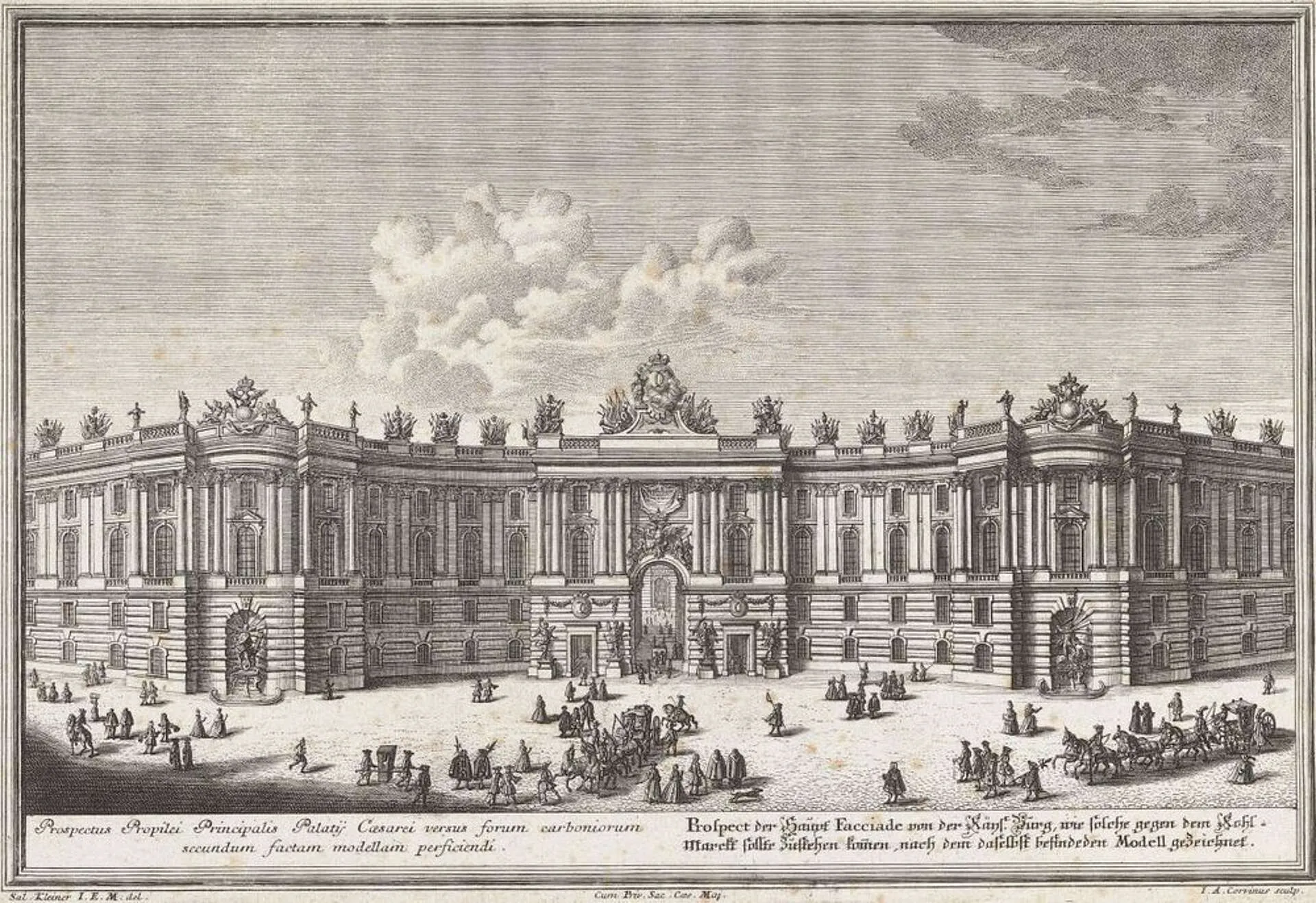
Hofburg began as a fortified medieval seat and gradually expanded as the political ambitions of its rulers grew. Rather than being designed in one coherent blueprint, it accumulated courtyards, wings, chapels, halls and service zones over generations. This layered growth is one of the most interesting facts about the complex: each era left a physical signature, so walking through Hofburg is like reading a timeline in stone. Gothic traces, Renaissance interventions, Baroque statements and later imperial refinements coexist within a single urban block.
This gradual transformation mirrors the rise of the Habsburg dynasty itself. As power extended across Central Europe and beyond, Hofburg evolved from a local stronghold into a symbol of supranational authority. By the time modern visitors enter the complex, they are not stepping into one palace but into a political organism that once coordinated diplomacy, administration, ceremony and private family life at an extraordinary scale.
How Hofburg became the nerve center of empire
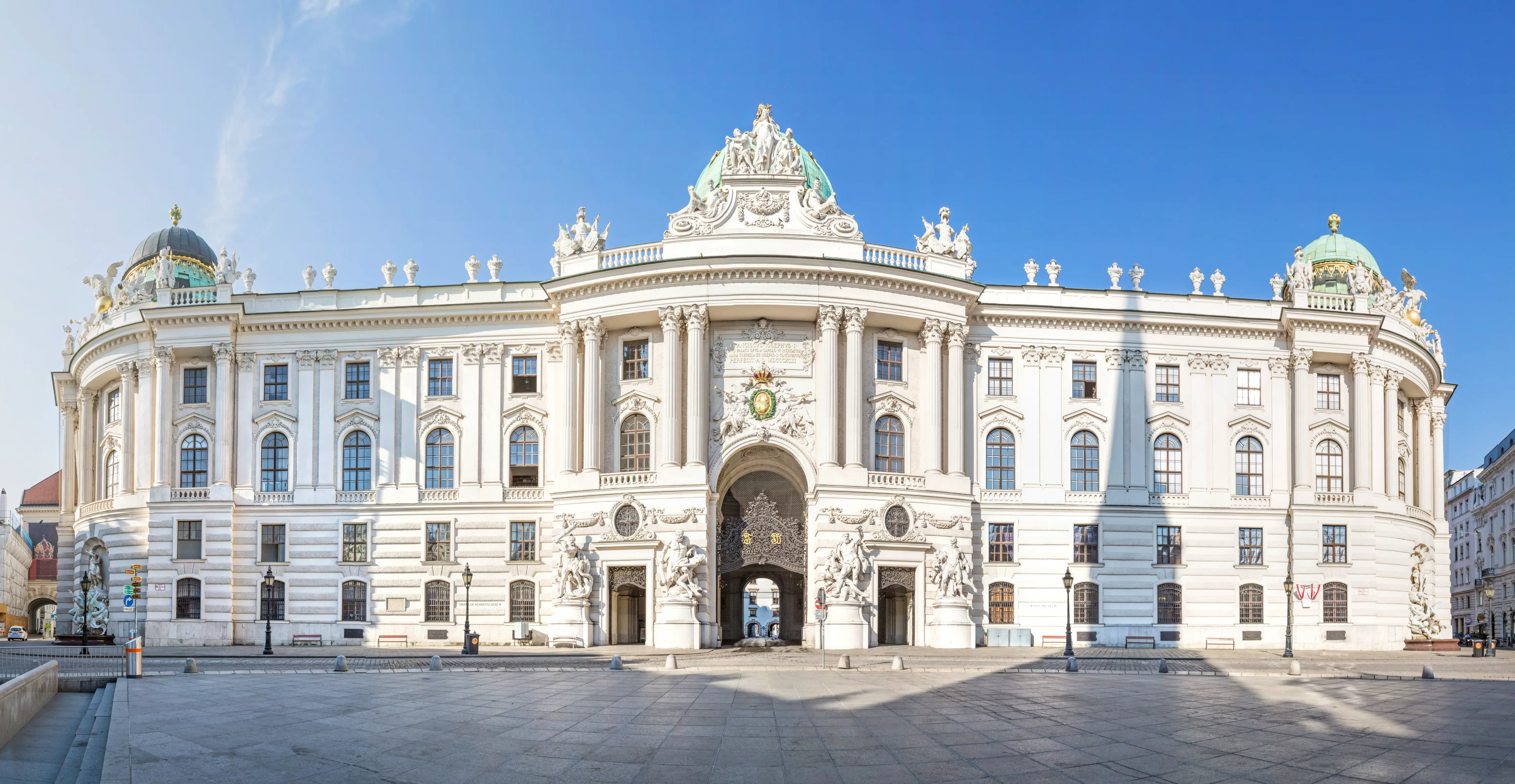
As Habsburg influence widened, Hofburg became more than a residence. It functioned as a command environment where governance, diplomacy and dynastic representation were tightly interconnected. Decisions that affected many regions of Europe were prepared and formalized in and around these rooms. Architecture therefore served political clarity: who entered where, who waited, who was received and under what protocol all communicated hierarchy and intent.
An important historical fact often overlooked is how administrative intensity shaped palace design. Behind ceremonial rooms were networks of offices, attendants, clerks, military aides and domestic staff. Imperial visibility depended on invisible systems. The palace had to project timeless continuity while constantly adapting to practical demands, changing alliances and modern state pressures.
Ceremony, architecture and political theater
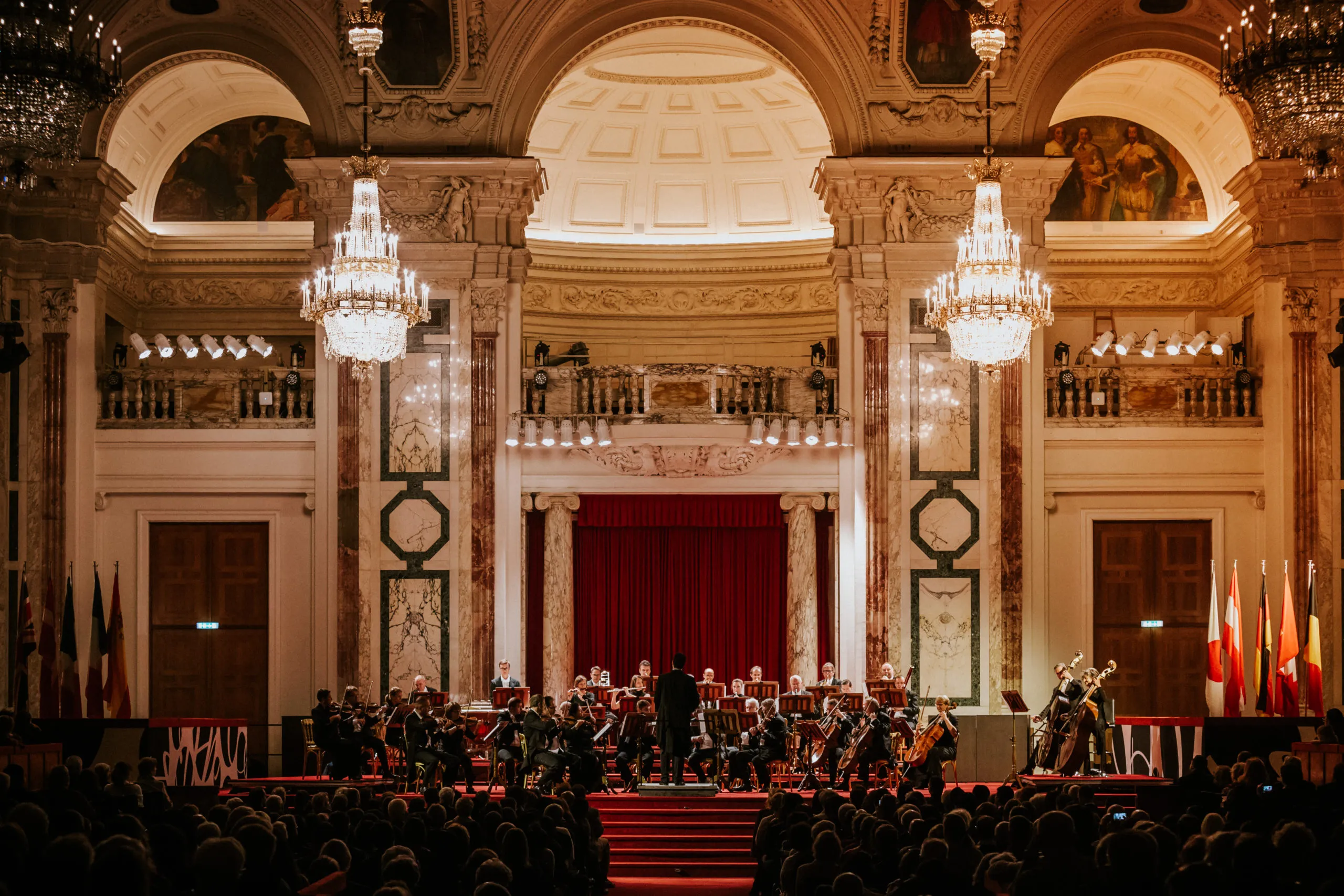
Hofburg's ceremonial spaces were never neutral decoration. They were stages where legitimacy was performed through movement, dress, sound and controlled visibility. Visitors to court did not simply arrive; they were guided through spatial sequences designed to reinforce authority. Corridors narrowed and expanded, ceilings rose, portraits watched from above, and symbols of dynasty framed each threshold.
This theatrical dimension is one reason the complex remains so powerful today. Even when political systems changed, the rooms retained the memory of their function. A modern visitor can still sense how protocol was choreographed. In this sense, Hofburg is not just heritage architecture but an archive of political communication materialized in walls, light, furniture placement and ceremonial routes.
The imperial household as a daily machine
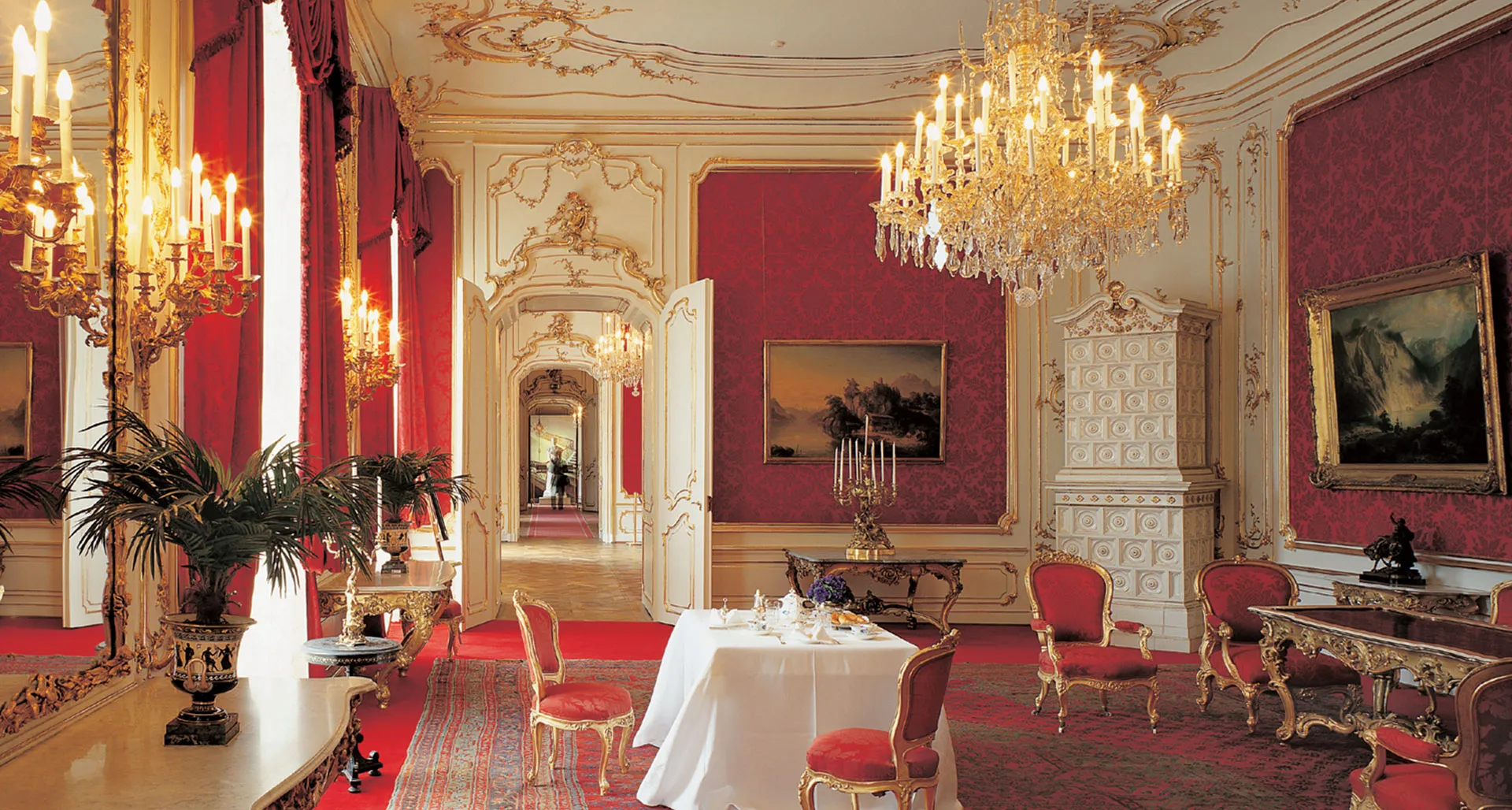
One of the most fascinating ways to understand Hofburg is to view it as an operating system. Court life required strict routines involving food supply, table protocol, wardrobe preparation, audience schedules, transportation logistics and ceremonial timing. The grandeur visitors see was sustained by a vast and disciplined network of workers whose labor usually remained invisible in official narratives.
The Imperial Silver Collection helps reveal this hidden world. It is not only about luxury objects but also about organization, standards and symbolic messaging. A formal table setting could communicate rank, stability and diplomatic respect as effectively as a speech. That practical side of power is a key part of Hofburg's historical interest.
Elisabeth: between icon, pressure and freedom
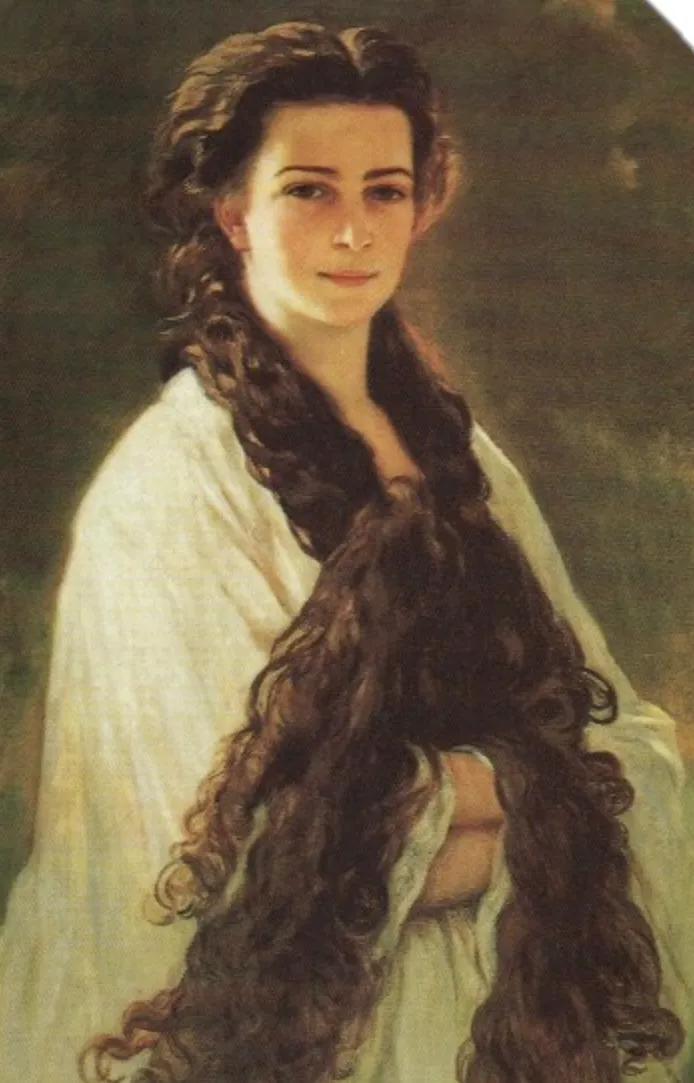
The Sisi Museum is compelling because it presents Empress Elisabeth as both icon and individual. Popular memory often reduces her to beauty, elegance and tragedy, but the historical record is more complex. She was intensely private, physically disciplined, emotionally restless and often in tension with the rigid expectations of court life. Her fascination with travel, fitness and personal autonomy can feel strikingly modern to contemporary visitors.
An interesting fact frequently discussed by historians is Elisabeth's resistance to ceremonial constraints. While she embodied imperial glamour in public imagination, she also sought distance from the palace routine whenever possible. This tension between representation and personal freedom gives the Sisi narrative unusual depth and helps explain why her story continues to resonate across generations and cultures.
Franz Joseph and the discipline of rule
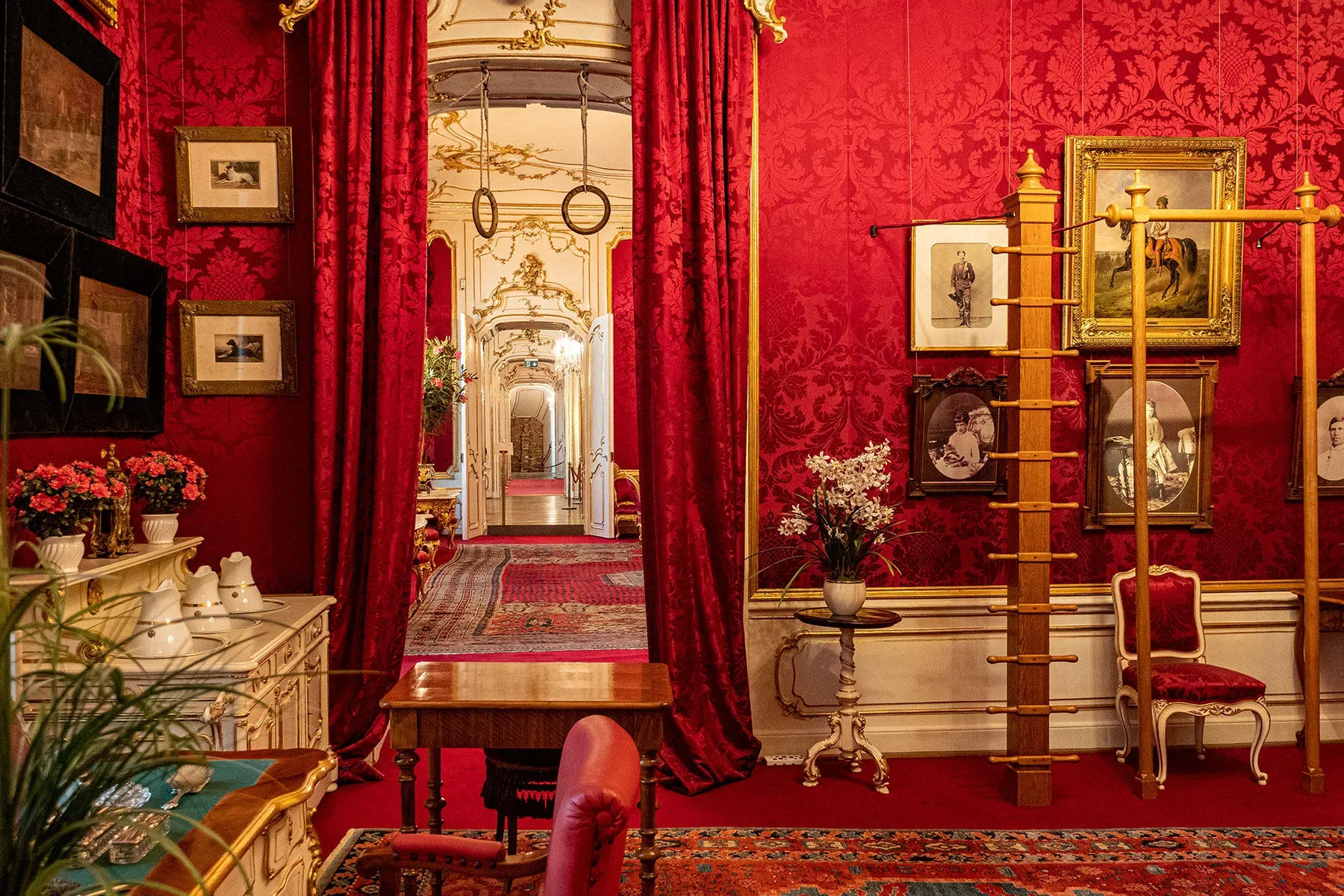
If Elisabeth represents movement and complexity, Franz Joseph often represents routine and duty. Accounts of his life emphasize punctuality, administrative consistency and devotion to state obligations. In the context of Hofburg, this contrast is meaningful: the imperial household was shaped by two very different temperaments sharing the same symbolic stage.
Understanding this duality helps visitors read the apartments with fresh eyes. Rooms become more than decorative sets; they become evidence of lifestyles, obligations and emotional distance within a high-pressure political environment. This human dimension is one of the reasons the site feels intellectually rich, not merely beautiful.
Objects that reveal power: silver, protocol and display
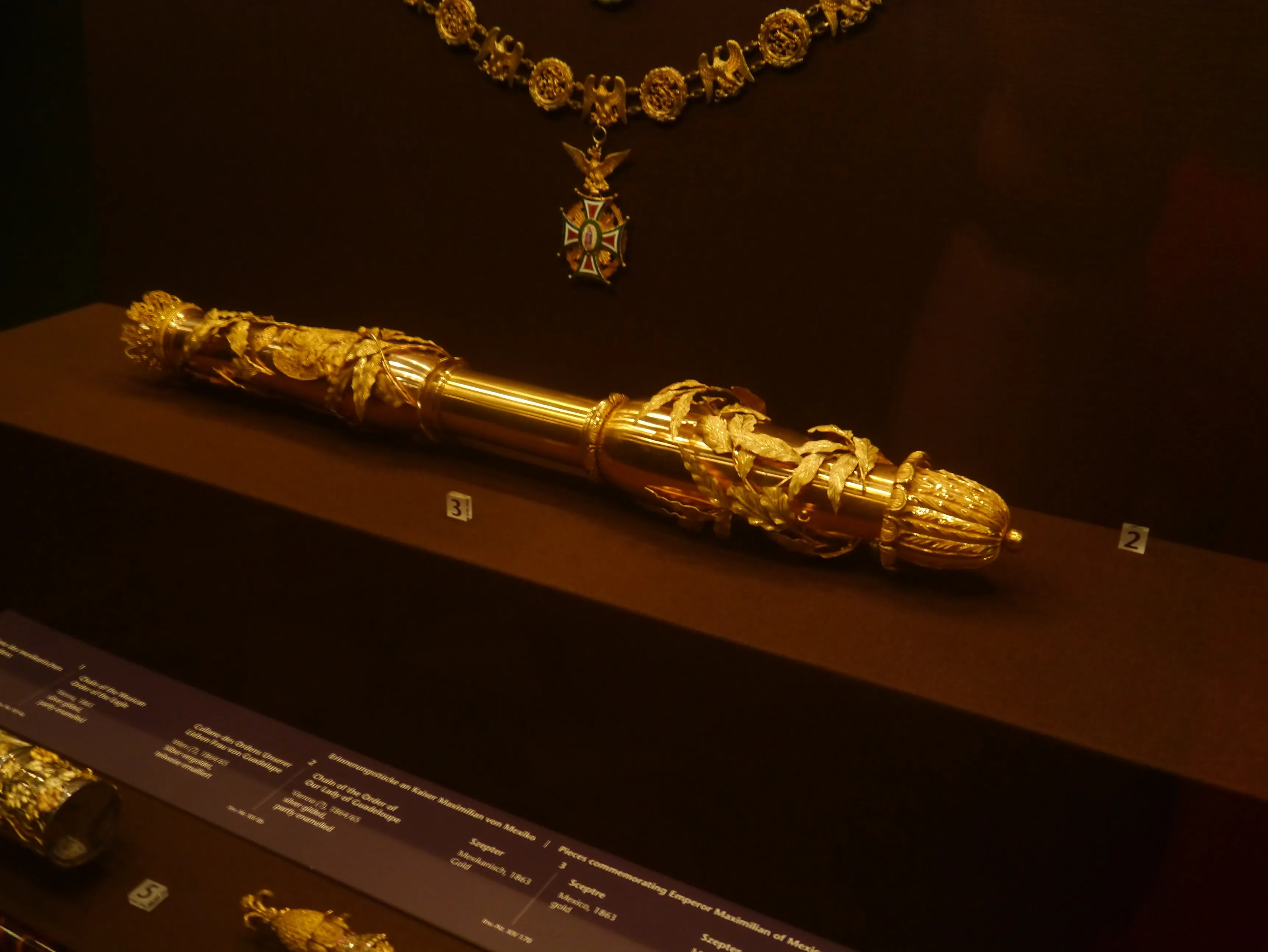
To modern eyes, the Silver Collection can seem like an inventory of luxury. In historical terms, it is much more: a record of protocol, hierarchy, technical skill and court logistics. Every serving piece implied specific staff roles, movement patterns and etiquette rules. Dining at this level was a political act where visual order reinforced social order.
Interesting details include specialized table pieces for distinct ceremonial contexts and the sheer scale of service planning required for official events. These objects help visitors understand that empire was performed not only in throne rooms but also in dining rituals, hospitality and carefully managed daily spectacle.
Crisis, collapse and the end of an era
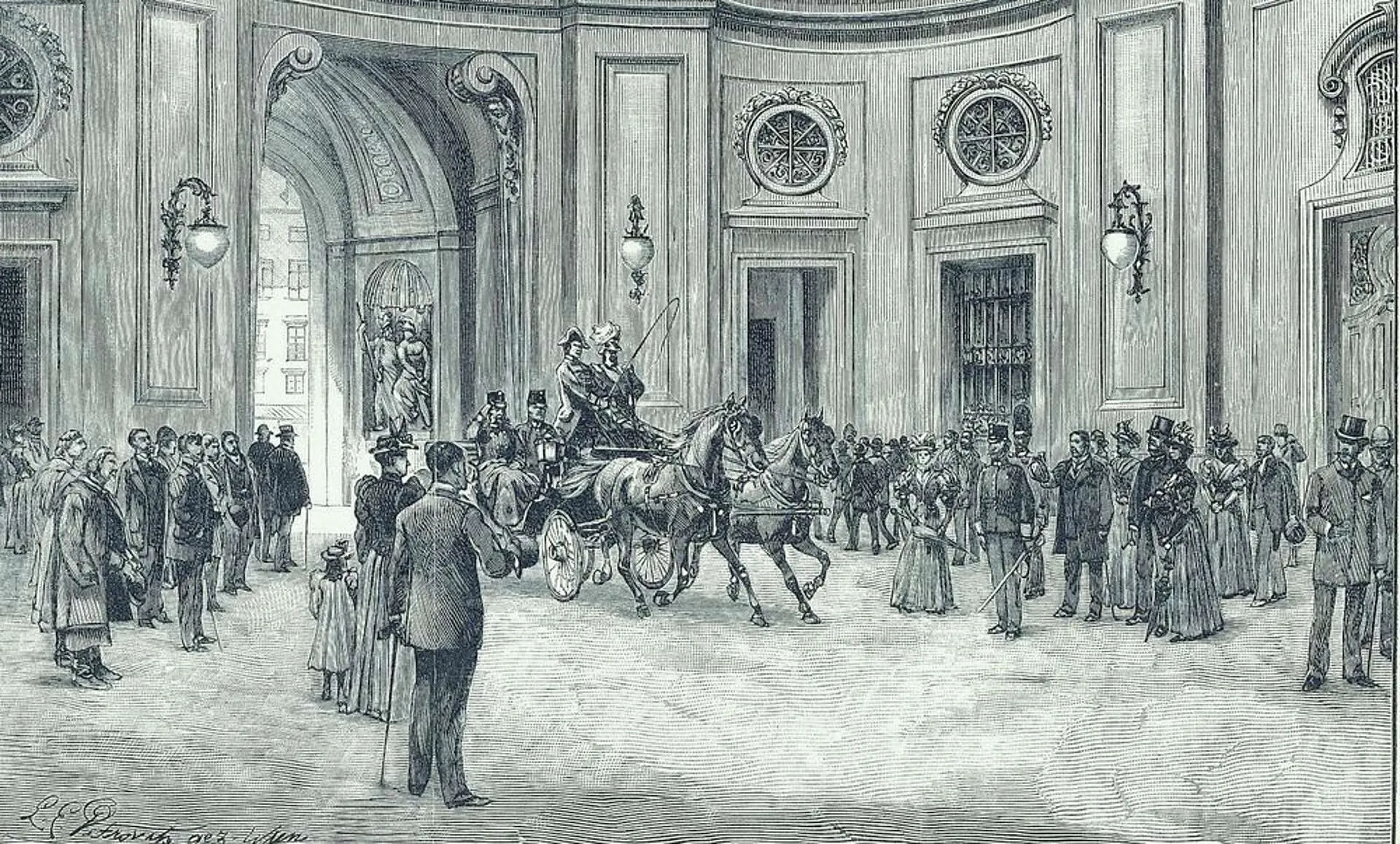
The late nineteenth and early twentieth centuries brought enormous pressures to the Habsburg world: nationalism, social change, geopolitical tension and administrative strain. The assassination in Sarajevo in 1914 and the First World War accelerated a collapse that ended the imperial framework Hofburg had long represented.
After the monarchy ended, the palace could no longer function as a dynastic command center. Yet it did not lose relevance. Instead, its spaces were gradually reinterpreted, preserved and opened to public historical understanding. This transformation from seat of power to site of memory is one of Hofburg's most significant modern chapters.
Twentieth-century reinterpretation of imperial spaces
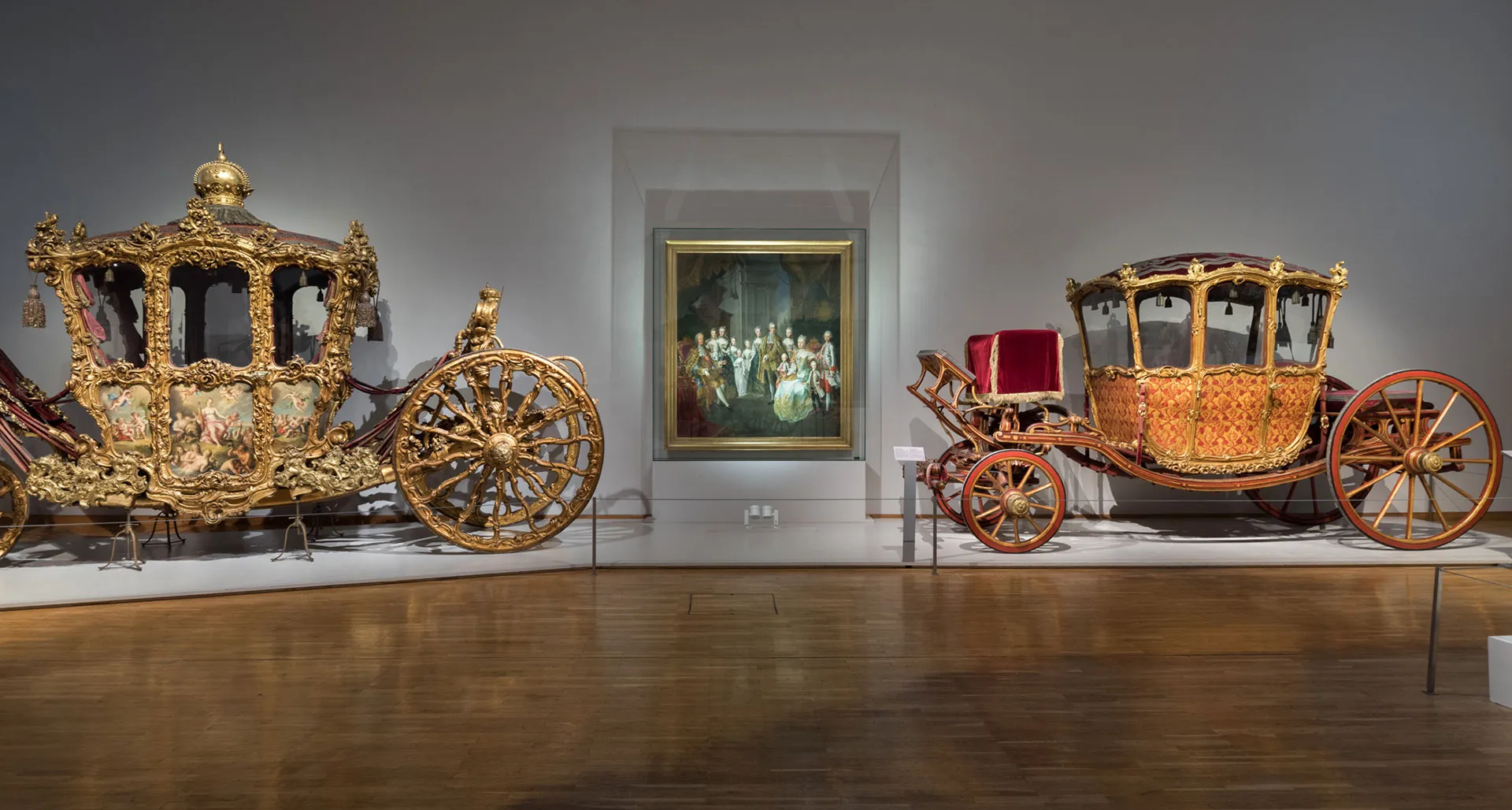
Converting former court environments into museum routes required careful choices: what to preserve, what to explain, what to contextualize and what myths to challenge. Over time, curatorial work at Hofburg has tried to balance admiration for craftsmanship with critical reflection on power, privilege and historical change.
This is why a modern visit can feel both beautiful and intellectually demanding. You are invited to appreciate decorative detail and also ask deeper questions about representation, gender, authority, memory and the politics of heritage.
What the Sisi Museum adds to the story
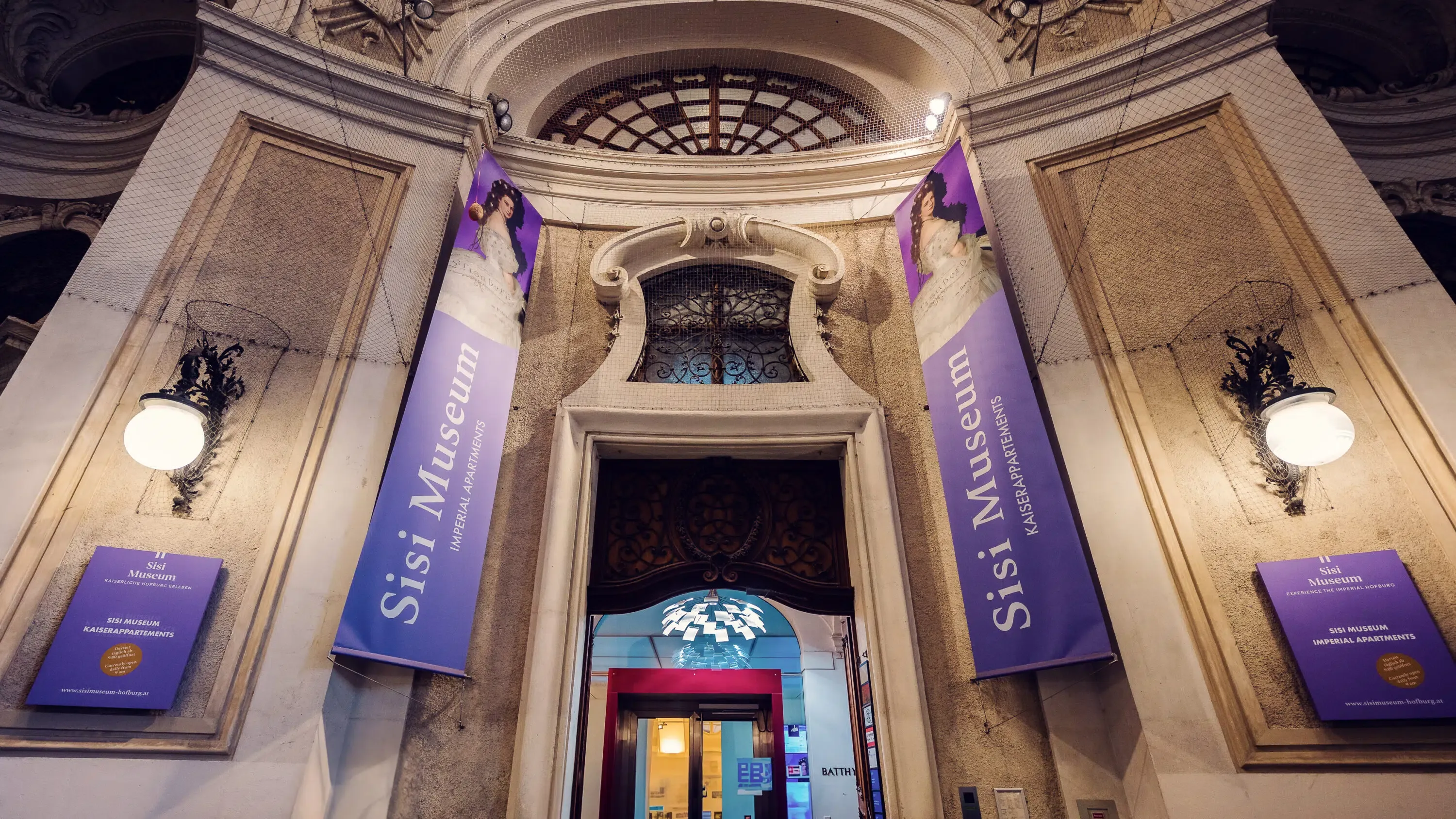
Without the Sisi Museum, Hofburg might be read mainly as architecture and state ritual. With it, the complex gains emotional depth and narrative tension. Visitors encounter Elisabeth as a person navigating intense public expectations, strict protocol and private vulnerability.
This perspective complicates simplistic imperial nostalgia. It reminds us that royal life involved performance, surveillance and personal cost. The museum therefore enriches the palace visit by connecting institutional history with intimate biography.
Interesting historical facts visitors often miss
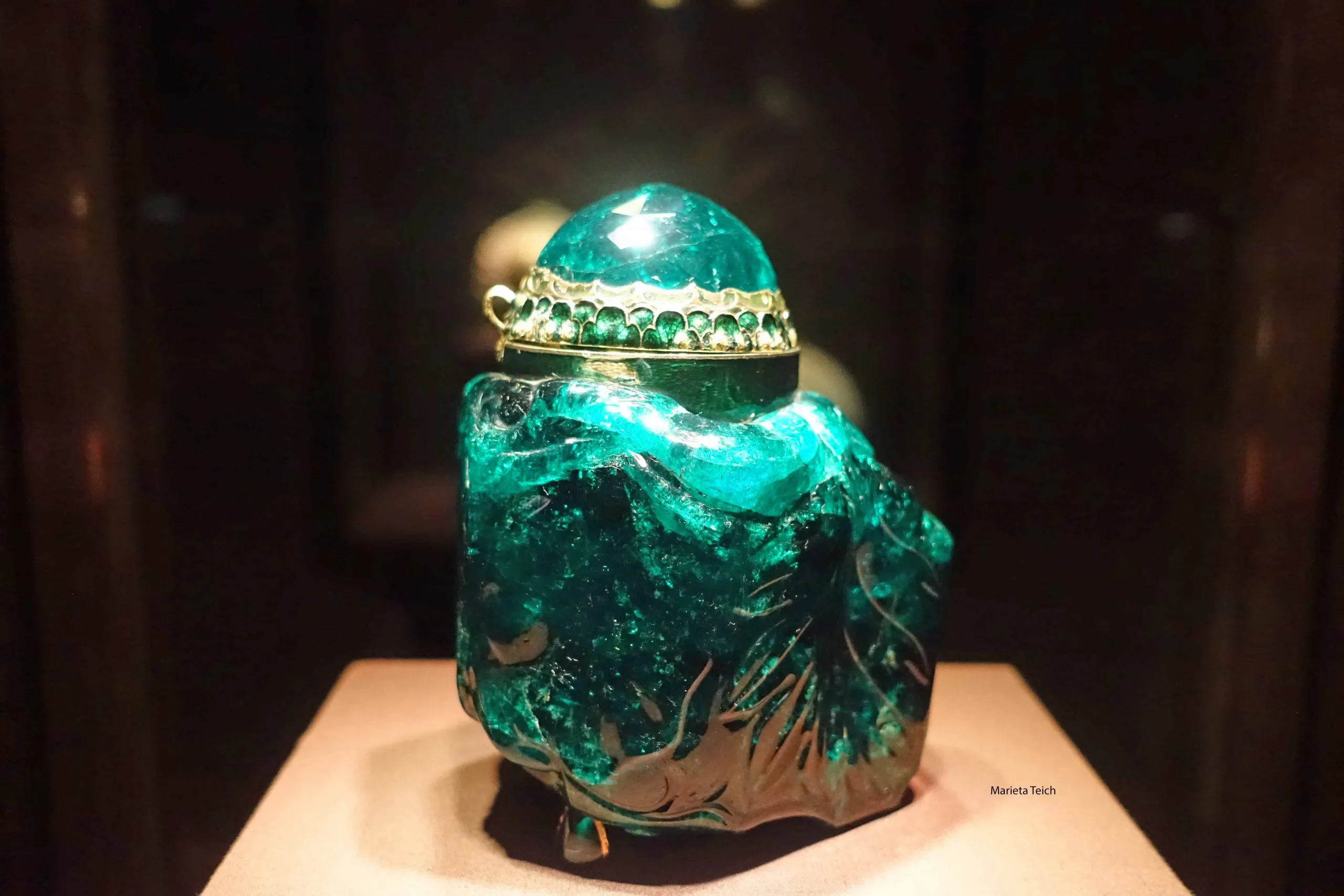
Many visitors are surprised to learn that Hofburg was continuously adapted rather than preserved as a fixed masterpiece. Another frequently missed fact is how much imperial identity depended on logistics, protocol manuals and household systems that seem mundane but were politically crucial. Even silverware and table choreography could communicate rank and diplomatic intent.
A further interesting point concerns Elisabeth's global image: she became one of the most romanticized figures in European memory, yet historical sources reveal a far more complex person than popular iconography suggests. The best museum experience comes from holding both truths at once, symbol and individual, myth and document.
How to connect Hofburg with nearby Vienna heritage
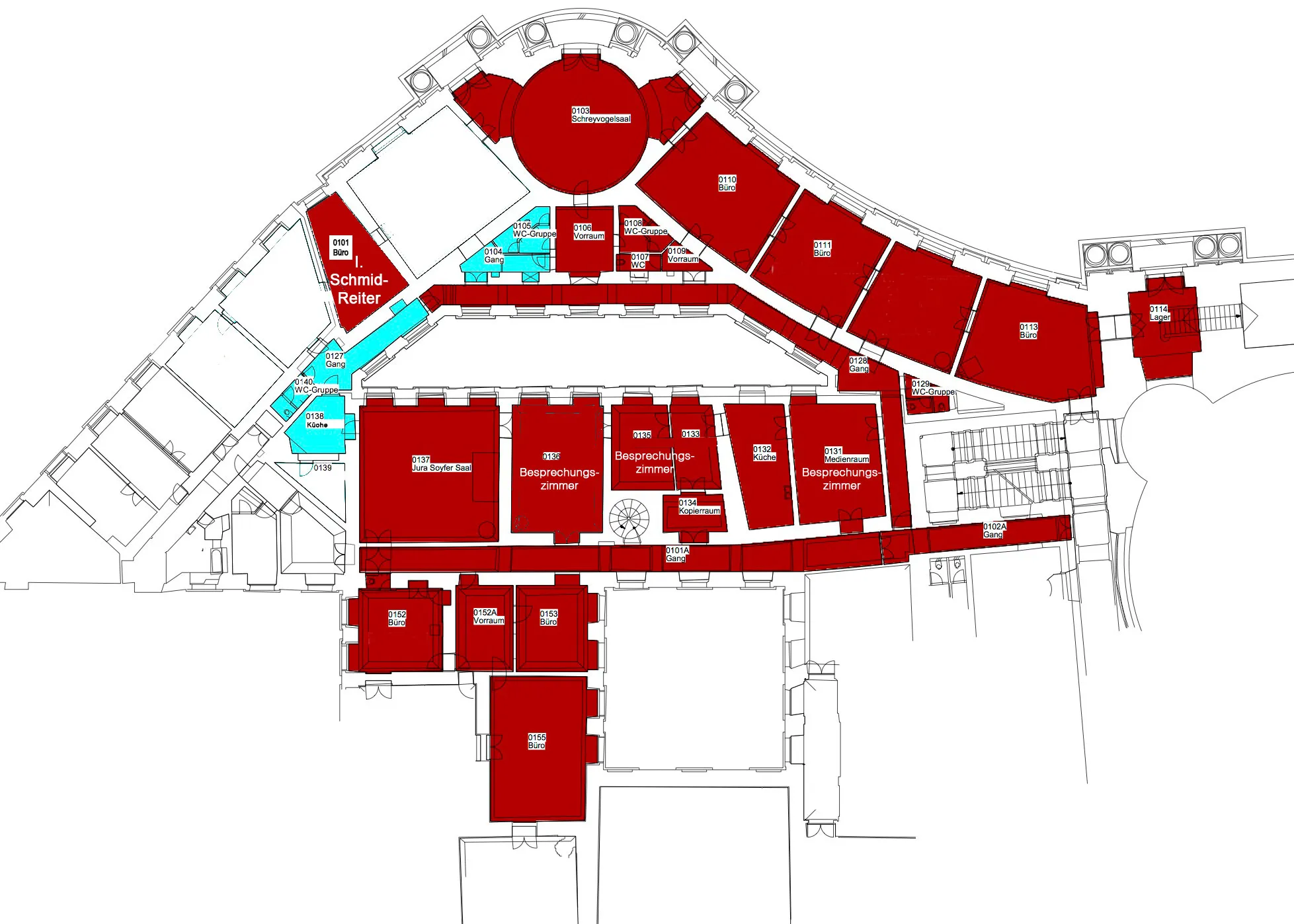
After visiting Hofburg, continue toward Heldenplatz, the Austrian National Library facades, Michaelerplatz and the historic streets leading to Stephansplatz. This route helps you understand how imperial authority, religion, commerce and urban life interacted in a compact area over centuries.
If time allows, pause in a traditional coffee house and revisit what you have seen. Hofburg becomes even more meaningful when placed in the wider city fabric, where architecture, memory and everyday Vienna continue to overlap.
Why this visit stays with you long after departure
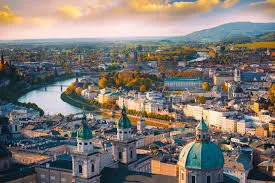
Hofburg and the Sisi Museum stay in memory because they combine scale with intimacy. You witness imperial authority in architecture, but also individual fragility in personal narratives. Few places hold these two dimensions so closely together.
Long after the visit, many travelers remember specific textures rather than only facts: polished floors, quiet galleries, ceremonial table settings, portraits that seem to follow you, and the feeling of moving through rooms where public image and private life were constantly negotiated. That layered experience is what makes Hofburg unforgettable.
Table of Contents
From medieval fortress to dynastic residence
Hofburg began as a fortified medieval seat and gradually expanded as the political ambitions of its rulers grew. Rather than being designed in one coherent blueprint, it accumulated courtyards, wings, chapels, halls and service zones over generations. This layered growth is one of the most interesting facts about the complex: each era left a physical signature, so walking through Hofburg is like reading a timeline in stone. Gothic traces, Renaissance interventions, Baroque statements and later imperial refinements coexist within a single urban block.
This gradual transformation mirrors the rise of the Habsburg dynasty itself. As power extended across Central Europe and beyond, Hofburg evolved from a local stronghold into a symbol of supranational authority. By the time modern visitors enter the complex, they are not stepping into one palace but into a political organism that once coordinated diplomacy, administration, ceremony and private family life at an extraordinary scale.
How Hofburg became the nerve center of empire
As Habsburg influence widened, Hofburg became more than a residence. It functioned as a command environment where governance, diplomacy and dynastic representation were tightly interconnected. Decisions that affected many regions of Europe were prepared and formalized in and around these rooms. Architecture therefore served political clarity: who entered where, who waited, who was received and under what protocol all communicated hierarchy and intent.
An important historical fact often overlooked is how administrative intensity shaped palace design. Behind ceremonial rooms were networks of offices, attendants, clerks, military aides and domestic staff. Imperial visibility depended on invisible systems. The palace had to project timeless continuity while constantly adapting to practical demands, changing alliances and modern state pressures.
Ceremony, architecture and political theater
Hofburg's ceremonial spaces were never neutral decoration. They were stages where legitimacy was performed through movement, dress, sound and controlled visibility. Visitors to court did not simply arrive; they were guided through spatial sequences designed to reinforce authority. Corridors narrowed and expanded, ceilings rose, portraits watched from above, and symbols of dynasty framed each threshold.
This theatrical dimension is one reason the complex remains so powerful today. Even when political systems changed, the rooms retained the memory of their function. A modern visitor can still sense how protocol was choreographed. In this sense, Hofburg is not just heritage architecture but an archive of political communication materialized in walls, light, furniture placement and ceremonial routes.
The imperial household as a daily machine
One of the most fascinating ways to understand Hofburg is to view it as an operating system. Court life required strict routines involving food supply, table protocol, wardrobe preparation, audience schedules, transportation logistics and ceremonial timing. The grandeur visitors see was sustained by a vast and disciplined network of workers whose labor usually remained invisible in official narratives.
The Imperial Silver Collection helps reveal this hidden world. It is not only about luxury objects but also about organization, standards and symbolic messaging. A formal table setting could communicate rank, stability and diplomatic respect as effectively as a speech. That practical side of power is a key part of Hofburg's historical interest.
Elisabeth: between icon, pressure and freedom
The Sisi Museum is compelling because it presents Empress Elisabeth as both icon and individual. Popular memory often reduces her to beauty, elegance and tragedy, but the historical record is more complex. She was intensely private, physically disciplined, emotionally restless and often in tension with the rigid expectations of court life. Her fascination with travel, fitness and personal autonomy can feel strikingly modern to contemporary visitors.
An interesting fact frequently discussed by historians is Elisabeth's resistance to ceremonial constraints. While she embodied imperial glamour in public imagination, she also sought distance from the palace routine whenever possible. This tension between representation and personal freedom gives the Sisi narrative unusual depth and helps explain why her story continues to resonate across generations and cultures.
Franz Joseph and the discipline of rule
If Elisabeth represents movement and complexity, Franz Joseph often represents routine and duty. Accounts of his life emphasize punctuality, administrative consistency and devotion to state obligations. In the context of Hofburg, this contrast is meaningful: the imperial household was shaped by two very different temperaments sharing the same symbolic stage.
Understanding this duality helps visitors read the apartments with fresh eyes. Rooms become more than decorative sets; they become evidence of lifestyles, obligations and emotional distance within a high-pressure political environment. This human dimension is one of the reasons the site feels intellectually rich, not merely beautiful.
Objects that reveal power: silver, protocol and display
To modern eyes, the Silver Collection can seem like an inventory of luxury. In historical terms, it is much more: a record of protocol, hierarchy, technical skill and court logistics. Every serving piece implied specific staff roles, movement patterns and etiquette rules. Dining at this level was a political act where visual order reinforced social order.
Interesting details include specialized table pieces for distinct ceremonial contexts and the sheer scale of service planning required for official events. These objects help visitors understand that empire was performed not only in throne rooms but also in dining rituals, hospitality and carefully managed daily spectacle.
Crisis, collapse and the end of an era
The late nineteenth and early twentieth centuries brought enormous pressures to the Habsburg world: nationalism, social change, geopolitical tension and administrative strain. The assassination in Sarajevo in 1914 and the First World War accelerated a collapse that ended the imperial framework Hofburg had long represented.
After the monarchy ended, the palace could no longer function as a dynastic command center. Yet it did not lose relevance. Instead, its spaces were gradually reinterpreted, preserved and opened to public historical understanding. This transformation from seat of power to site of memory is one of Hofburg's most significant modern chapters.
Twentieth-century reinterpretation of imperial spaces
Converting former court environments into museum routes required careful choices: what to preserve, what to explain, what to contextualize and what myths to challenge. Over time, curatorial work at Hofburg has tried to balance admiration for craftsmanship with critical reflection on power, privilege and historical change.
This is why a modern visit can feel both beautiful and intellectually demanding. You are invited to appreciate decorative detail and also ask deeper questions about representation, gender, authority, memory and the politics of heritage.
What the Sisi Museum adds to the story
Without the Sisi Museum, Hofburg might be read mainly as architecture and state ritual. With it, the complex gains emotional depth and narrative tension. Visitors encounter Elisabeth as a person navigating intense public expectations, strict protocol and private vulnerability.
This perspective complicates simplistic imperial nostalgia. It reminds us that royal life involved performance, surveillance and personal cost. The museum therefore enriches the palace visit by connecting institutional history with intimate biography.
Interesting historical facts visitors often miss
Many visitors are surprised to learn that Hofburg was continuously adapted rather than preserved as a fixed masterpiece. Another frequently missed fact is how much imperial identity depended on logistics, protocol manuals and household systems that seem mundane but were politically crucial. Even silverware and table choreography could communicate rank and diplomatic intent.
A further interesting point concerns Elisabeth's global image: she became one of the most romanticized figures in European memory, yet historical sources reveal a far more complex person than popular iconography suggests. The best museum experience comes from holding both truths at once, symbol and individual, myth and document.
How to connect Hofburg with nearby Vienna heritage
After visiting Hofburg, continue toward Heldenplatz, the Austrian National Library facades, Michaelerplatz and the historic streets leading to Stephansplatz. This route helps you understand how imperial authority, religion, commerce and urban life interacted in a compact area over centuries.
If time allows, pause in a traditional coffee house and revisit what you have seen. Hofburg becomes even more meaningful when placed in the wider city fabric, where architecture, memory and everyday Vienna continue to overlap.
Why this visit stays with you long after departure
Hofburg and the Sisi Museum stay in memory because they combine scale with intimacy. You witness imperial authority in architecture, but also individual fragility in personal narratives. Few places hold these two dimensions so closely together.
Long after the visit, many travelers remember specific textures rather than only facts: polished floors, quiet galleries, ceremonial table settings, portraits that seem to follow you, and the feeling of moving through rooms where public image and private life were constantly negotiated. That layered experience is what makes Hofburg unforgettable.